ByJohn A
How to Turn Your Backyard Into a Restaurant-Style Outdoor Kitchen
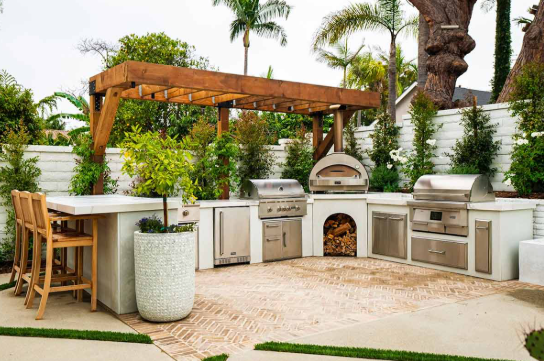
There was a time when backyard cooking meant nothing more than a basic charcoal grill and a folding table. Today, homeowners are rethinking their outdoor spaces entirely, transforming patios and decks into fully functional kitchens that rival what you’d find in a professional restaurant. Whether you’re hosting weekend gatherings, family dinners, or weekly pizza nights, a well-planned outdoor kitchen can completely change how you cook and entertain at home.
If you’ve ever dreamed of stepping outside and firing up a wood-fired pizza in under two minutes, or searing steaks on a high-heat grill while your guests relax nearby, this guide will walk you through exactly how to make that happen.
Why Outdoor Kitchens Are More Popular Than Ever
The shift toward outdoor living isn’t just a passing trend. More people are spending time at home, prioritizing entertaining spaces, and looking for ways to extend their usable square footage without a full home renovation. An outdoor kitchen delivers all three.
Beyond the lifestyle appeal, there’s a practical side too. Cooking outside keeps heat, smoke, and mess out of the house, especially during high-usage seasons like summer barbecues or holiday gatherings. It also creates a natural gathering point, since people tend to congregate wherever the food is being made.
See also: How Fire and Life Safety Services Help Protect People and Property
Start With the Right Foundation: Outdoor Cooking Equipment
Before you think about countertops, seating, or lighting, the single most important decision is what you’ll actually cook with. This is where most backyard transformations either succeed or fall short. Investing in reliable outdoor cooking equipment including pizza ovens, grills, and accessories gives you the flexibility to prepare everything from casual weeknight meals to full restaurant-style spreads.
A good outdoor cooking setup typically includes:
- A primary heat source (grill, pizza oven, or both)
- A prep station or counter space near the cooking area
- Storage for tools, fuel, and accessories
- Adequate lighting for evening use
The goal is to design a space that functions the way a real kitchen does, where everything you need is within arm’s reach, and you’re not constantly walking back and forth into the house.
The Centerpiece: A Gas Pizza Oven
If there’s one addition that instantly elevates a backyard into “restaurant-style” territory, it’s a pizza oven. Wood-fired pizza has become a signature backyard experience, but not everyone wants to deal with managing wood or charcoal every time they want a quick meal.
That’s where a gas pizza oven makes the biggest difference. These ovens are built for speed and consistency, often reaching cooking temperatures in a matter of minutes rather than the 30-45 minutes traditional wood-fired ovens can require. For homeowners who want that authentic Neapolitan-style crust without the learning curve of managing live fire, propane-powered ovens offer a much more approachable entry point.
Some of the biggest advantages of a gas pizza oven include:
- Fast heat-up times – Most models reach 700-900°F within 15-20 minutes.
- Consistent temperature control – No need to constantly feed or adjust fuel.
- Cleaner operation – No ash, soot, or wood storage required.
- Versatility – Many can also cook flatbreads, roasted vegetables, and even seared meats.
For anyone hosting regular pizza nights, this single piece of equipment can become the anchor of the entire outdoor kitchen setup.
Designing the Layout of Your Outdoor Kitchen
Once you’ve settled on your core cooking equipment, layout becomes the next priority. A well-thought-out design isn’t just about aesthetics, it directly affects how efficiently you can cook and entertain.
Zone your space. Separate your kitchen into cooking, prep, and dining zones. This keeps traffic flowing naturally and prevents guests from crowding around the grill or oven while food is being prepared.
Prioritize counter space. Even the best pizza oven or grill becomes frustrating to use without a nearby surface for dough, toppings, plates, and tools.
Think about weather protection. A partial roof, pergola, or retractable awning can extend the usability of your outdoor kitchen across more months of the year.
Add functional lighting. Task lighting near the cooking area and ambient lighting for the dining space make evening use far more enjoyable.
Building a Meal Rotation Around Your Setup
A restaurant-style backyard kitchen shines when it’s used regularly, not just for special occasions. Once your equipment is in place, think about rotating a few signature meals your household or guests can look forward to:
- Neapolitan-style pizza nights using your gas pizza oven
- Grilled seafood or vegetable platters for lighter weekend meals
- Slow-cooked weekend brunches with grilled fruit and proteins
- Seasonal menus that shift with what’s fresh and available
Having a small rotation of go-to meals makes the outdoor kitchen feel like a natural extension of daily life rather than a special-occasion-only feature.
Maintenance Tips to Keep Your Outdoor Kitchen Running Smoothly
Outdoor equipment faces more wear than indoor appliances due to weather exposure, so a bit of regular upkeep goes a long way:
- Clean grates and oven surfaces after each use to prevent buildup.
- Check gas connections periodically for leaks or wear.
- Use weatherproof covers when equipment isn’t in use.
- Schedule a deeper seasonal cleaning before and after peak usage months.
Taking these small steps consistently will extend the life of your equipment and keep performance consistent over time.
Final Thoughts
Turning your backyard into a restaurant-style outdoor kitchen doesn’t require a massive renovation budget or professional-grade construction. It starts with choosing the right outdoor cooking equipment, building a functional layout around it, and committing to using the space regularly. A quality gas pizza oven paired with a well-organized cooking zone can transform even a modest backyard into the go-to spot for family meals and gatherings.
FAQ
1. Do I need a lot of space to build an outdoor kitchen?
Not necessarily. Even compact patios can accommodate a grill or pizza oven along with a small prep counter. The key is smart zoning rather than square footage.
2. Is a gas pizza oven better than a wood-fired one for beginners?
For most home cooks, yes. Gas ovens heat up faster, require less monitoring, and offer more consistent results, making them a practical starting point before experimenting with wood-fired cooking.
3. How often should I clean my outdoor cooking equipment?
Ideally after every use for surface-level cleaning, with a deeper maintenance check every few months depending on how frequently the equipment is used.
4. Can I use a pizza oven for anything besides pizza?
Yes. Many gas pizza ovens are versatile enough to roast vegetables, cook flatbreads, and even sear meats at high temperatures.
5. What’s the biggest mistake people make when building an outdoor kitchen?
Skipping proper planning around workflow. Without a clear cooking, prep, and dining zone, even good equipment can feel disorganized and inconvenient to use.