ByJohn A
Central Coast Roof Replacement: Warning Signs You Should Never Ignore
Your roof plays a vital role in protecting your home from rain, wind, sunlight, and other environmental conditions. However, constant exposure to the elements can gradually weaken roofing materials, leading to damage that may affect your property’s safety, comfort, and value. Recognising the early signs of roof deterioration can help you address problems before they become more expensive to fix.
For homeowners, understanding when to consider Central Coast roof replacement is especially important because coastal conditions can expose roofing materials to salt-laden air, strong winds, heavy rainfall, and changing weather patterns. Although some roofing issues can be resolved through minor repairs, widespread damage or an ageing roof may require a complete replacement.
In this guide, we will explore the major warning signs you should never ignore, explain when replacement may be necessary, and share practical tips for maintaining a durable roofing system.
Why Is Regular Roof Inspection Important?
A roof can develop problems gradually, and some forms of deterioration are difficult to identify from the ground. Small cracks, loose roofing materials, damaged flashing, and minor leaks may seem insignificant initially, but they can allow moisture to enter the building and damage underlying structures.
Regular inspections help identify these issues before they become more serious. They also provide an opportunity to assess the condition of roofing materials, gutters, drainage systems, and other components that contribute to the roof’s performance.
For properties along the Central Coast, inspections are particularly useful after severe storms or periods of strong winds. Identifying damage early can help homeowners determine whether maintenance, targeted repairs, or a complete roof replacement is the most appropriate solution.
1. Frequent Roof Leaks and Water Stains
One of the most obvious warning signs of roofing problems is recurring water leakage. If you notice damp patches on ceilings, peeling paint, or unexplained moisture around the upper parts of your walls, your roof may not be providing adequate protection.
Water can enter through damaged tiles, deteriorated flashing, loose metal sheets, or failing waterproofing components.
Signs of Water Damage Inside Your Home
Look out for these common indicators:
- Brown or yellow stains on ceilings.
- Peeling paint or bubbling plaster.
- Damp insulation in the roof cavity.
- Musty odours that may indicate trapped moisture.
- Mould growth around ceilings or upper walls.
A single leak does not necessarily mean you need a new roof. However, if leaks keep returning despite repeated repairs, the underlying roofing system may have extensive deterioration.
In such situations, professional assessment can help determine whether Central Coast roof replacement would provide a more reliable long-term solution.
2. Cracked, Missing, or Loose Roofing Materials
Roofing materials are designed to withstand outdoor conditions, but they can deteriorate over time. Tiles may crack, become displaced, or break, while metal roofing sheets can loosen or sustain damage during severe weather.
Even a small opening can allow rainwater to enter the roof cavity, potentially damaging insulation, timber framing, and internal finishes.
When Should You Be Concerned?
Pay attention to the following signs:
- Missing or broken roof tiles.
- Loose or lifted metal sheets.
- Cracked roofing materials across multiple areas.
- Visible gaps around roof edges and joints.
- Repeated damage following storms.
A few damaged tiles may only require repairs. However, when deterioration affects large sections of the roof, replacing the roofing system may be a more practical option.
Avoid climbing onto the roof to investigate these issues yourself. A qualified roofing professional can inspect the area safely and recommend suitable repairs or replacement.
3. Rust and Corrosion on Metal Roofing
Metal roofs are valued for their durability, but they are not completely immune to corrosion. In coastal environments, salt exposure and moisture can accelerate deterioration when protective coatings become damaged or the materials are unsuitable for local conditions.
For Central Coast homeowners, rust around fasteners, roof edges, joints, and flashing deserves particular attention.
Warning Signs of Metal Roof Deterioration
Common indicators include:
- Visible rust patches on roof sheets.
- Corroded screws and fasteners.
- Peeling or damaged protective coatings.
- Small holes or weakened metal sections.
- Leaks developing around joints and connections.
Minor corrosion may be manageable through cleaning, protective treatments, or component replacement. Widespread corrosion, however, can compromise the strength and weather resistance of the roof.
If the metal sheets have become significantly weakened, a professional inspection can help determine whether replacement is necessary.
When selecting new materials, consider corrosion resistance, installation quality, and the level of coastal exposure your property experiences.
4. A Sagging Roofline or Structural Changes
A sagging roof is a warning sign that should never be overlooked. It may indicate damaged roof framing, prolonged moisture exposure, weakened supporting structures, or excessive loading.
Structural deterioration can affect the stability of the roofing system and may pose a safety risk if left unaddressed.
What Should You Look For?
From a safe location, look for visible dips or uneven sections along the roofline. Inside the home, changes in ceiling alignment or signs of moisture around structural components may also warrant investigation.
If you notice significant sagging or suspect structural instability, arrange an urgent professional assessment and avoid entering potentially unsafe areas.
Depending on the cause, the solution may involve structural repairs, replacement of damaged roofing components, or a more extensive roof replacement project.
5. Your Roof Is Reaching the End of Its Lifespan
Every roofing material has an expected service life. The actual lifespan depends on material quality, installation methods, maintenance, weather exposure, and the condition of the supporting structure.
For example, asphalt shingles may last approximately 20–30 years, while metal and tile roofs can last several decades when properly installed and maintained. These figures are general estimates rather than guarantees.
Why Roof Age Matters
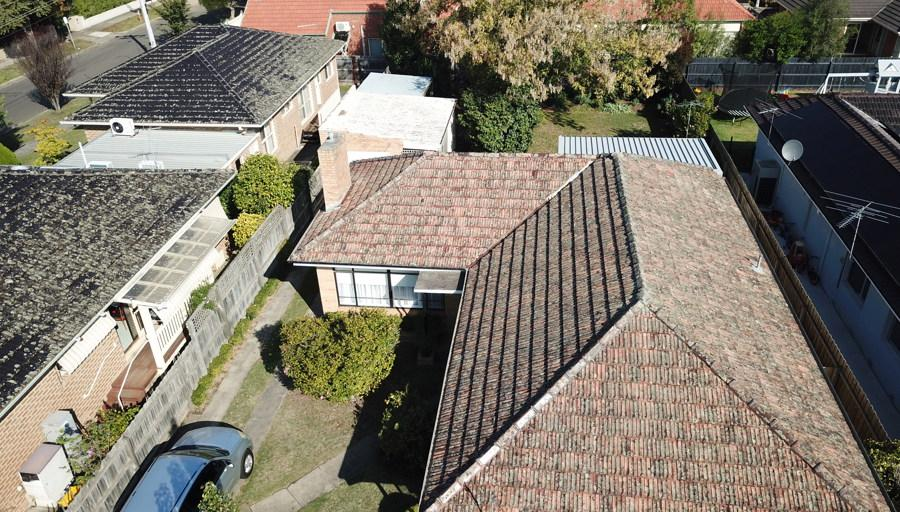
As roofing materials age, they may become more vulnerable to cracking, corrosion, leaks, and repeated damage. Waterproofing membranes, underlays, sealants, and fasteners may also deteriorate even when the visible roof surface appears reasonably intact.
If your roof is approaching the expected lifespan of its materials, arrange an inspection to evaluate its overall condition.
Replacing an ageing roof before major failures develop may help reduce the risk of emergency repairs and unexpected water damage.
6. Rising Roof Repair and Maintenance Costs
Occasional roof maintenance is normal, but repeated repairs can become expensive when problems continue to develop in different areas.
If you regularly pay for leak repairs, replacement tiles, corrosion treatments, or damaged flashing, it may be time to compare the cost of ongoing maintenance with the cost of a complete replacement.
Repair or Replace: Which Option Is Better?
Consider the following factors before making a decision:
- Extent of damage: Localised damage may be repairable, while widespread deterioration may require replacement.
- Age of the roof: Older roofing systems with multiple problems may be nearing the end of their useful life.
- Structural condition: Damage to underlying components may require more extensive work.
- Long-term costs: Repeated repairs can accumulate over time.
- Future plans: A new roof may be a worthwhile investment if you intend to remain in the property for many years.
Request a detailed inspection and written quotation to compare the available options. The cheapest immediate repair is not always the most economical long-term choice, but replacement should also be based on the roof’s actual condition rather than age alone.
See also: The Future of Intelligent Business Systems
7. Storm Damage and Strong Winds
Coastal weather can place considerable stress on roofing systems. Strong winds, heavy rain, falling branches, and severe storms may loosen tiles, lift metal sheets, damage flashing, or expose vulnerable areas.
Some damage is immediately visible, while other problems may only become apparent when water begins entering the building.
Signs of Storm-Related Roof Damage
After severe weather, look for:
- Displaced or missing roofing materials.
- Broken tiles or dented metal sheets.
- Damaged gutters and downpipes.
- Debris lodged in roof drainage areas.
- New water stains or leaks inside the home.
Inspect the roof from the ground and avoid approaching damaged sections. If you suspect significant damage, arrange a professional inspection promptly.
If the roof has widespread storm damage, Central Coast roof replacement may be necessary to restore reliable weather protection. Before starting work, check your insurance policy and document visible damage where it is safe to do so.
8. Poor Energy Efficiency and Indoor Comfort
Your roof contributes to your home’s thermal performance. Inadequate insulation, poor ventilation, air leakage, and unsuitable roofing materials can make indoor temperatures harder to manage.
If your home becomes unusually hot during summer or difficult to keep warm during cooler weather, the roof and ceiling space may be contributing to the problem.
How Roof Replacement May Help
Replacing an old roof creates an opportunity to assess insulation, ventilation, and weatherproofing. Choosing suitable materials and improving insulation may help reduce unwanted heat transfer and improve indoor comfort.
However, rising energy bills can have many causes. Roof replacement alone does not guarantee energy savings, so an assessment should identify the underlying problem before you invest in major work.
How to Prepare for Roof Replacement on the Central Coast
Once a professional confirms that replacement is appropriate, careful planning can help the project run more smoothly.
Choose Suitable Roofing Materials
Consider materials that suit your property’s design, budget, maintenance requirements, and exposure to coastal conditions. Corrosion-resistant metal roofing and suitable tile systems may be appropriate options, depending on the property and installation requirements.
Hire a Qualified Roofing Professional
Look for a contractor who provides a thorough inspection, a detailed written quotation, clear timelines, and information about warranties. Check relevant licensing, insurance, and local regulatory requirements before proceeding.
Plan the Project Carefully
Before work begins, discuss access, material delivery, weather contingencies, waste removal, and protection for your property. Confirm whether damaged roof framing, insulation, or other underlying components may require additional work.
Proper planning helps reduce disruptions and ensures that important details are addressed before installation starts.
Conclusion
Recognising roof damage early can help protect your home from leaks, structural deterioration, and unnecessary repair expenses. Warning signs such as recurring water stains, cracked roofing materials, widespread corrosion, sagging, storm damage, and frequent maintenance costs should never be ignored.
Although minor issues can often be repaired, an ageing or extensively damaged roofing system may require complete replacement to provide reliable long-term protection.
If you notice any of these warning signs, arrange a professional roof inspection to understand the condition of your property. By selecting suitable materials, addressing problems promptly, and planning work carefully, homeowners can make informed decisions about Central Coast roof replacement and maintain a safer, more durable home for years to come.