ByJohn A
What Makes Luxury Flower Arrangements Look Elegant and Expensive?
Flowers have a unique ability to transform a simple space into something beautiful, inviting, and sophisticated. From elegant living rooms to beautifully decorated dining tables and special event venues, floral displays can create a lasting visual impression. However, not every bouquet creates the same effect. Some arrangements look ordinary, while others appear refined, luxurious, and professionally designed.
The difference often comes down to flower selection, colour coordination, arrangement techniques, presentation, and attention to detail. Luxury flower arrangements are designed to create visual harmony, with every bloom and decorative element contributing to the overall appearance.
Whether you are decorating your home, preparing for a special occasion, or styling a professional space, understanding the elements behind luxurious floral designs can help you achieve an elegant look without making the arrangement unnecessarily complicated.
Understanding the Elements Behind Luxurious Floral Designs
An expensive-looking floral arrangement does not always require the most costly flowers. Often, its appeal comes from the way the flowers are combined, displayed, and coordinated with their surroundings.
Professional-looking arrangements generally feature a clear design direction, balanced proportions, complementary colours, and carefully selected containers.
Several elements contribute to this appearance:
- High-quality flowers with attractive shapes and textures.
- A coordinated colour palette that creates visual harmony.
- Balanced proportions and thoughtfully arranged stems.
- A suitable vase or decorative container.
- Carefully selected greenery and supporting flowers.
- Appropriate placement within the surrounding space.
When these elements work together, even a relatively simple bouquet can create an elegant and sophisticated impression.
1. Choose Flowers with Distinctive Shapes and Textures
The flowers used in an arrangement have a major influence on its overall appearance. Different blooms bring different shapes, textures, and visual characteristics, allowing you to create arrangements with depth and personality.
Select Flowers That Create a Focal Point
Certain flowers naturally attract attention because of their size, shape, or layered petals. Roses, orchids, peonies, lilies, and hydrangeas are frequently used in sophisticated floral designs because they offer distinctive visual features.
When selecting flowers, consider the following:
- Roses: Their layered petals create a classic and romantic appearance.
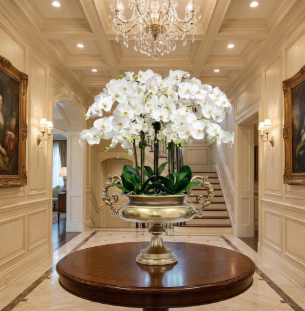
- Orchids: Their sculptural shapes can introduce a contemporary, refined look.
- Peonies: Their full blooms add softness and volume.
- Lilies: Their elongated forms provide height and visual movement.
- Hydrangeas: Their clustered flowers create fullness and help fill out an arrangement.
The most suitable flowers depend on your preferred style, the occasion, and the available space.
Combine Different Textures for Added Depth
Arrangements can look flat when every flower has the same shape and texture. Combining rounded blooms, elongated flowers, delicate filler flowers, and greenery creates a more layered appearance.
For example, large roses can be paired with slender stems and subtle foliage to create contrast without making the arrangement look overcrowded.
The goal is to allow each flower to contribute something different while maintaining a cohesive overall design.
2. Use a Refined Colour Palette for a Sophisticated Look
Colour coordination is one of the most important factors in creating luxury flower arrangements. A well-planned palette can make a bouquet appear harmonious, elegant, and visually balanced.
Explore Timeless Floral Colour Combinations
Some colour combinations are particularly suitable for sophisticated arrangements because they create contrast without overwhelming the design.
Popular choices include:
- White and cream: Ideal for understated elegance and formal settings.
- Blush pink and ivory: Suitable for romantic and delicate floral displays.
- Burgundy and champagne: Creates a rich, dramatic appearance.
- Peach and soft pink: Offers warmth and a gentle, welcoming atmosphere.
- White and green: Provides a fresh, natural, and versatile look.
- Deep purple and pale lavender: Adds depth while maintaining a coordinated appearance.
Follow the Principle of Colour Balance
Using too many unrelated colours can make a floral arrangement look busy. A more refined approach is to select one dominant colour, introduce one or two complementary shades, and use greenery or neutral flowers to balance the composition.
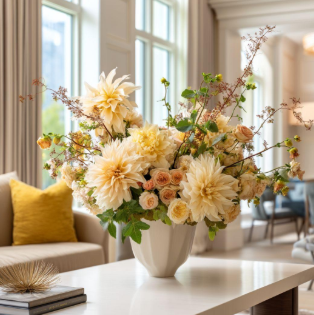
For example, a bouquet featuring blush roses, ivory blooms, and muted green foliage can look elegant without requiring numerous flower varieties.
You should also consider the surrounding décor. An arrangement that complements the wall colour, furniture, and decorative accessories is more likely to look intentional and well-designed.
3. Focus on Proportion and Arrangement Structure
The way flowers are positioned can be just as important as the flowers themselves. An arrangement with balanced proportions often appears more polished than one in which the stems are placed without a clear structure.
Create a Natural Flow Between Flowers
A well-designed bouquet usually has a visual flow that guides the eye across the arrangement. Flowers should be positioned to create a pleasing silhouette rather than forming a rigid or overcrowded shape.
To achieve this effect:
- Place the main flowers where they will attract attention.
- Vary stem heights to introduce movement.
- Distribute colours evenly throughout the arrangement.
- Use supporting flowers to fill appropriate gaps.
- Position greenery to frame the blooms naturally.
- Maintain enough space for individual flowers to remain visible.
Choose a Shape That Suits the Setting
Different arrangements work better in different environments.
A rounded bouquet may suit a coffee table or dining area, while a tall arrangement can complement an entrance hall or spacious living room. An asymmetrical design may work well in a contemporary interior, particularly when the surrounding décor is relatively simple.
The overall shape should complement the available space rather than compete with it.
4. Select a Vase That Enhances the Flowers
A vase can significantly influence whether an arrangement looks ordinary or luxurious. Even beautiful flowers may lose some of their visual appeal when placed in a container that does not suit their shape, colour, or size.
Choose Materials That Complement the Design
Different vase materials create different decorative effects.
- Clear glass: Offers a clean appearance that works well with simple floral designs.
- Ceramic: Provides texture and can complement both traditional and contemporary interiors.
- Matte finishes: Create a subtle, understated look.
- Metallic finishes: Can add visual contrast to formal or modern arrangements.
- Stone-textured containers: Pair well with neutral colours and natural materials.
The vase should support the floral design without drawing too much attention away from the flowers.
Match the Vase Size to the Arrangement
Proportion is essential when selecting a container. A vase that is too small may not support the stems properly, while an oversized vessel can make a compact bouquet appear insignificant.
Consider the height and width of the arrangement, the spread of the stems, and the location where it will be displayed.
For tall flowers, choose a stable container with suitable support. For fuller bouquets, a wider opening may allow the blooms to spread naturally.
A well-matched vase gives the entire arrangement a more complete and professionally styled appearance.
5. Add Greenery and Supporting Flowers Carefully
Greenery plays an important role in creating visual depth. It can frame the main blooms, soften the outline of an arrangement, and introduce contrast between different flower colours.
However, greenery should support the flowers rather than dominate the composition.
Use Foliage to Improve the Overall Shape
Different types of foliage can create different effects. Rounded leaves may contribute to a soft appearance, while slender or trailing greenery can add movement.
When incorporating greenery:
- Choose foliage that complements the flower colours.
- Use it to create a natural outline around the main blooms.
- Avoid adding excessive leaves that hide the flowers.
- Distribute greenery evenly rather than concentrating it in one area.
- Keep stems tidy for a polished finish.
Avoid Overfilling the Arrangement
A common mistake is adding too many supporting flowers and leaves in an attempt to make the bouquet look fuller.
Instead, focus on creating a balanced composition with visible focal flowers, complementary supporting blooms, and enough space for the overall shape to remain clear.
Thoughtful placement often creates a more elegant result than simply increasing the number of stems.
6. Consider Freshness and Flower Quality
The condition of the flowers directly affects the appearance of an arrangement. Fresh flowers with healthy petals, firm stems, and attractive colouring naturally create a more appealing display.
What to Look for When Choosing Fresh Flowers
Before purchasing flowers, inspect their condition carefully.
- Petals should be reasonably firm and free from extensive damage.
- Stems should be strong enough to support the blooms.
- Leaves should appear healthy rather than excessively yellowed or wilted.
- Flowers should be appropriate for the intended display period.
- Different blooms should complement one another in size and maturity.
Not every flower needs to be fully open when purchased. Some varieties continue to develop after being arranged, so the appropriate stage depends on the flower type and when the display will be used.
Maintain the Arrangement Properly
Even a carefully designed bouquet can lose its appeal if it is not maintained correctly.
For fresh arrangements:
- Use a clean vase and fresh water.
- Trim stems as appropriate for the flower varieties.
- Remove damaged leaves and fading blooms.
- Keep flowers away from excessive heat.
- Follow the specific care requirements of the selected flowers.
Proper care helps maintain the arrangement’s appearance for as long as the individual flowers allow.
7. Create Visual Impact Through Thoughtful Placement
A beautiful arrangement can look even more impressive when displayed in the right location. Placement determines how the flowers interact with the furniture, lighting, and surrounding decorative elements.
Identify the Best Focal Point
Consider where people naturally direct their attention when entering or using a room. A well-positioned floral display can enhance these areas without making the space feel crowded.
Suitable locations include:
- Living room coffee tables and console tables.
- Dining tables and sideboards.
- Entrance halls and reception areas.
- Bedroom dressers and occasional tables.
- Office reception counters and meeting spaces.
- Event tables and celebration venues.
Adjust the Arrangement to the Space
The arrangement should match the scale of its surroundings.
A large bouquet may work well in a spacious entrance hall, while a smaller display may be more suitable for a bedside table or compact apartment.
For dining tables, consider using a lower arrangement that does not obstruct conversation. In living rooms, a taller display may be appropriate when placed on a side table or console.
Thoughtful placement helps the arrangement become a natural part of the interior rather than an isolated decorative object.
8. Use Lighting to Highlight Floral Beauty
Lighting can influence how flower colours, textures, and shapes appear. A well-lit arrangement often looks more vibrant and visually appealing, while harsh lighting may create unwanted shadows or distort the appearance of certain colours.
Make the Most of Natural Light
Natural light can help reveal the subtle colours and textures of flowers. When possible, place arrangements in areas with pleasant indirect daylight.
However, prolonged direct sunlight may cause some fresh flowers to wilt more quickly and may fade certain artificial materials.
Use Indoor Lighting Strategically
In the evening, suitable ambient or accent lighting can draw attention to a floral display.
Consider these simple ideas:
- Place arrangements where they receive balanced room lighting.
- Avoid positioning flowers directly beneath intense heat-producing lights.
- Use soft accent lighting to highlight a decorative centrepiece.
- Check how the flower colours appear under the room’s existing lighting.
- Keep the vase and surrounding surface clean to improve the overall presentation.
Lighting should enhance the arrangement without becoming the main focus.
9. Choose Between Fresh and Artificial Luxury Flower Arrangements
Both fresh and artificial flowers can create sophisticated decorative displays. The right choice depends on your preferences, maintenance requirements, budget, and intended use.
Fresh Flowers for Natural Beauty
Fresh flowers offer natural variations in colour, delicate fragrances, and seasonal character. They are often preferred for special occasions, formal dinners, and displays where a natural floral experience is important.
However, they require water, appropriate conditions, and regular maintenance.
Artificial Flowers for Convenient Styling
High-quality artificial flowers can provide a consistent decorative appearance without the need for watering or regular replacement.
They are useful for homes, offices, reception areas, and other spaces where long-lasting décor is preferred.
When selecting artificial arrangements, look for:
- Realistic petal shapes and textures.
- Natural-looking colour variations.
- Well-finished stems and leaves.
- Balanced proportions and convincing flower placement.
- Materials that suit the intended display location.
Artificial flowers can also be reused for different occasions or rearranged to create new combinations.
Regardless of which option you choose, the same design principles apply: coordinated colours, suitable proportions, a complementary vase, and thoughtful placement.
10. Avoid Common Mistakes That Reduce the Appearance of Luxury
An arrangement does not need to be complicated to look expensive. In many cases, unnecessary decoration can make a bouquet appear less refined.
Using Too Many Colours
A mixture of unrelated shades can make the design look disorganised. Choose a coordinated palette and repeat colours thoughtfully throughout the arrangement.
Choosing an Unsuitable Vase
A container that is too large, too small, or visually inconsistent with the flowers can disrupt the overall composition. Always consider the shape and scale of the bouquet.
Overcrowding the Flowers
Packing too many stems into one arrangement can hide individual blooms and make the display look heavy. Allow enough space for the flower shapes to remain visible.
Ignoring the Surrounding Décor
Even a beautiful bouquet may appear out of place if it clashes with the room’s style. Consider the furniture, wall colours, textures, and available space before deciding on a design.
Neglecting Maintenance
Dusty artificial petals, dirty containers, and wilted fresh flowers can diminish the overall impression. Regular cleaning and appropriate care are essential for maintaining a polished display.
See also: Why Technical SEO Still Gets Overlooked by Small Businesses
Conclusion
What makes a floral arrangement look elegant and expensive is not simply the price of the flowers. The overall effect comes from careful selection, balanced proportions, complementary colours, suitable containers, and thoughtful presentation.
Luxury flower arrangements stand out because each element contributes to a cohesive design. Whether you prefer classic roses, sculptural orchids, full hydrangeas, or realistic artificial blooms, the right combination can create a sophisticated display for almost any setting.
By paying attention to flower quality, arrangement structure, greenery, lighting, and placement, you can achieve a refined appearance without making the design unnecessarily complicated.
Ultimately, elegant floral styling is about creating harmony between the flowers and their surroundings. With the right choices and attention to detail, even a simple arrangement can bring a sense of luxury, warmth, and timeless beauty to your home or special occasion.