ByJohn A
A Beginner’s Guide to Buying Wholesale Blank T-Shirts for Clothing Brands
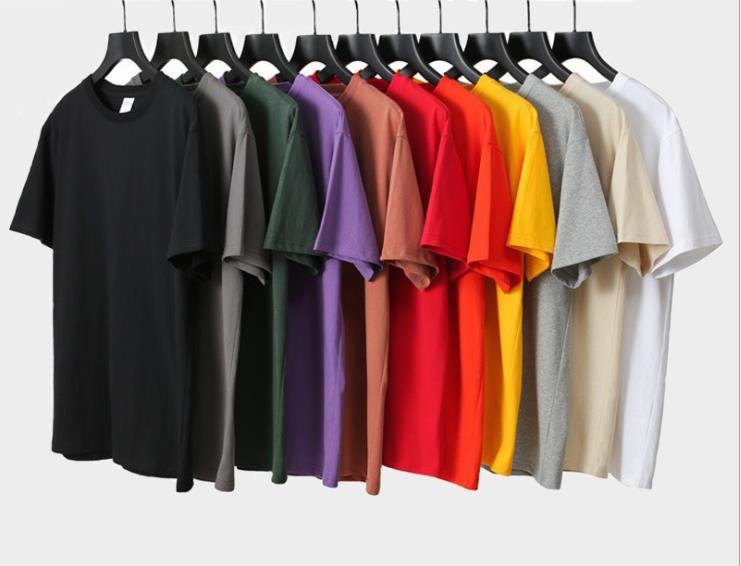
Starting a clothing brand involves many important decisions, from creating designs and building a marketing strategy to selecting the right apparel supplier. One of the earliest and most influential choices is the type of garments used as the foundation of the brand’s products. For many startups and growing apparel businesses, wholesale blank t-shirts provide a practical starting point.
Blank garments allow brands to focus on design, customization, and customer experience without the complexity of manufacturing clothing from scratch. Whether launching a small online store or building a larger apparel company, understanding how to purchase wholesale blank shirts can help reduce costs, improve product consistency, and support long-term growth.
This guide explains the key considerations that beginners should evaluate before placing their first wholesale apparel order.
Why Many Clothing Brands Start With Blank Apparel
Manufacturing garments from the ground up requires significant resources, production knowledge, and financial investment.
For new businesses, sourcing blank apparel often provides a more accessible path into the clothing industry.
Lower Initial Investment
Purchasing ready-made garments eliminates many of the expenses associated with custom manufacturing.
Brands can focus their budget on:
- Product development
- Printing or embroidery
- Marketing
- Packaging
- Customer acquisition
This approach allows businesses to test products before committing to larger production investments.
Faster Product Launches
Using wholesale blank t-shirts can significantly reduce production timelines.
Instead of waiting months for custom garment manufacturing, brands can begin customizing and selling products much more quickly.
This flexibility is especially valuable for startups seeking to establish market presence efficiently.
Understanding Your Brand’s Target Audience
Before selecting blank apparel, it is important to understand who will be wearing the finished products.
Different customer groups often have different expectations regarding fit, fabric, and style.
Defining Customer Preferences
Some audiences prioritize casual everyday apparel, while others may focus on activewear, streetwear, or lifestyle clothing. Understanding these preferences helps brands select garments that align with customer expectations.
For brands targeting corporate, hospitality, school, and business-casual markets, Bulk polo shirts are often a popular addition because they provide a more polished appearance while maintaining everyday comfort.
Considering Product Positioning
The type of blank shirt chosen should support the overall positioning of the brand.
Premium brands may prioritize fabric quality and garment construction, while value-focused businesses may emphasize affordability and accessibility.
A clear understanding of brand identity helps simplify purchasing decisions.
Fabric Selection and Its Impact on Product Quality
Fabric plays a major role in how customers perceive apparel.
The material affects appearance, durability, maintenance requirements, and overall satisfaction.
Cotton-Based Blank Shirts
Cotton remains one of the most popular fabric choices within the apparel industry.
Many consumers appreciate its familiarity and suitability for everyday wear.
Cotton garments are commonly used by brands focused on casual fashion and lifestyle apparel.
Polyester Options
Polyester garments have become increasingly common in activewear and performance-focused collections.
Their durability and moisture-management characteristics make them attractive for customers with active lifestyles.
Blended Fabrics
Fabric blends combine characteristics from multiple materials.
These garments can provide a balance between softness, durability, and performance, making them suitable for a wide range of applications.
Why Fit Matters When Selecting Wholesale Apparel
Even the highest-quality fabric may struggle to satisfy customers if the fit does not align with expectations.
Understanding Modern Consumer Preferences
Fit trends vary across markets and demographic groups.
Some consumers prefer relaxed silhouettes, while others favor more structured or athletic cuts.
Evaluating customer preferences helps brands select garments that resonate with their audience.
Maintaining Consistency Across Sizes
Sizing consistency is important for customer satisfaction.
Reliable blank apparel suppliers help brands maintain predictable sizing throughout their product lines.
This consistency can contribute to fewer returns and improved customer confidence.
The Importance of Garment Consistency
Consistency becomes increasingly important as a clothing brand grows.
Customers expect products ordered months apart to maintain similar quality standards.
Supporting Brand Reputation
Inconsistent garments can create confusion and reduce trust.
Using dependable wholesale blank t-shirts helps brands deliver a more predictable customer experience.
Simplifying Production
Consistent blank garments also help streamline customization processes such as printing and embroidery.
This efficiency becomes particularly valuable when managing larger orders.
See also: The Future of Intelligent Business Systems
Evaluating Durability Before Purchasing
A shirt that performs well initially but deteriorates quickly may negatively affect customer perception.
Supporting Long-Term Wear
Consumers increasingly expect clothing to provide lasting value.
Durable garments help brands meet these expectations while encouraging repeat purchases.
Protecting Brand Image
The quality of a finished product reflects directly on the brand selling it.
Investing in dependable apparel helps strengthen customer confidence and improve long-term reputation.
Companies such as Simplstc Apparel understand the importance of providing garments that support both customization and long-term wearability.
Why Wholesale Purchasing Supports Growth
Wholesale purchasing offers several advantages beyond lower unit costs.
Improving Inventory Management
Reliable wholesale sourcing helps businesses maintain product availability and respond more effectively to customer demand.
Supporting Scalability
As sales increase, brands need suppliers capable of supporting larger order volumes.
Establishing relationships with dependable apparel providers can help simplify future expansion efforts.
Common Mistakes Beginners Should Avoid
New clothing brands often encounter challenges when purchasing apparel for the first time.
Focusing Only on Price
While cost matters, selecting garments based solely on price can lead to quality issues that affect customer satisfaction.
Balancing affordability with product quality typically produces better long-term results.
Ignoring Customer Expectations
Apparel choices should reflect the needs of the intended audience.
Brands that understand their customers are generally better positioned to make informed purchasing decisions.
Ordering Without Testing Samples
Whenever possible, businesses should evaluate garment samples before committing to large orders.
Testing helps identify potential issues related to fit, fabric, and overall quality.
The Future of Blank Apparel in Brand Development
The clothing industry continues evolving as new brands enter the market and consumer expectations change.
Blank apparel remains an important resource because it allows businesses to develop customized products without investing heavily in manufacturing infrastructure.
As e-commerce growth continues and independent brands gain market share, demand for wholesale blank t-shirts is expected to remain strong.
Their flexibility, accessibility, and scalability make them a valuable foundation for businesses at every stage of development.
Conclusion
For emerging clothing brands, selecting the right wholesale blank t-shirts is one of the most important decisions in the product development process. The right garments support customization, maintain quality standards, and help create a positive customer experience.
By focusing on fabric selection, fit, durability, consistency, and supplier reliability, businesses can build stronger product lines and position themselves for sustainable growth. A thoughtful approach to wholesale apparel purchasing helps create a solid foundation for long-term success in the competitive clothing industry.