ByJohn A
How to Choose Jewelry for Traditional Celebrations
Traditional celebrations are often filled with cultural customs, family gatherings, and memorable moments. Whether attending a wedding, engagement ceremony, religious event, or festive occasion, jewelry plays an important role in completing the overall look. The right jewelry not only enhances an outfit but also reflects personal style while respecting cultural traditions.
With countless designs available today, choosing jewelry for traditional celebrations can sometimes feel overwhelming. Understanding the occasion, outfit, and overall styling goals can make the selection process much easier. By focusing on balance, comfort, and cultural significance, anyone can create an elegant appearance that feels both timeless and appropriate.
Understanding the Importance of Traditional Jewelry
Traditional jewelry has long been associated with celebrations and important life events. Across South Asian cultures, jewelry is often worn to symbolize joy, prosperity, and cultural identity.
Many pieces carry historical significance and are closely connected to family traditions. Some are passed down through generations, while others are purchased specifically for weddings and festive occasions.
Because of this deep cultural connection, jewelry is often viewed as more than a fashion accessory. It serves as a meaningful element that helps preserve traditions while enhancing personal style.
When selecting jewelry for traditional celebrations, it is important to consider both aesthetic appeal and cultural relevance.
Matching Jewelry with the Occasion
Different celebrations call for different levels of formality. Understanding the nature of the event can help determine the most appropriate jewelry choices.
Large wedding celebrations often allow for elaborate jewelry sets that include statement earrings, necklaces, bangles, and headpieces. These occasions provide an opportunity to embrace detailed craftsmanship and traditional designs.
Smaller family gatherings and religious ceremonies may require a more refined approach. Elegant yet understated pieces often create a polished appearance without overwhelming the outfit.
By considering the setting and significance of the event, it becomes easier to choose jewelry that feels appropriate and balanced.
Considering Day and Evening Events
The time of day can also influence jewelry selection.
Daytime celebrations often pair well with lighter designs that complement natural lighting and softer color palettes. Evening events, on the other hand, may benefit from more dramatic pieces that stand out under artificial lighting and festive decorations.
Understanding these differences can help create a cohesive and visually appealing look.
Choosing the Right Earrings
Earrings are often one of the most noticeable elements of traditional styling. They frame the face and contribute significantly to the overall appearance.
When selecting earrings, it is important to consider hairstyle, outfit details, and personal comfort. Larger earrings can create a striking effect, while smaller designs offer subtle elegance.
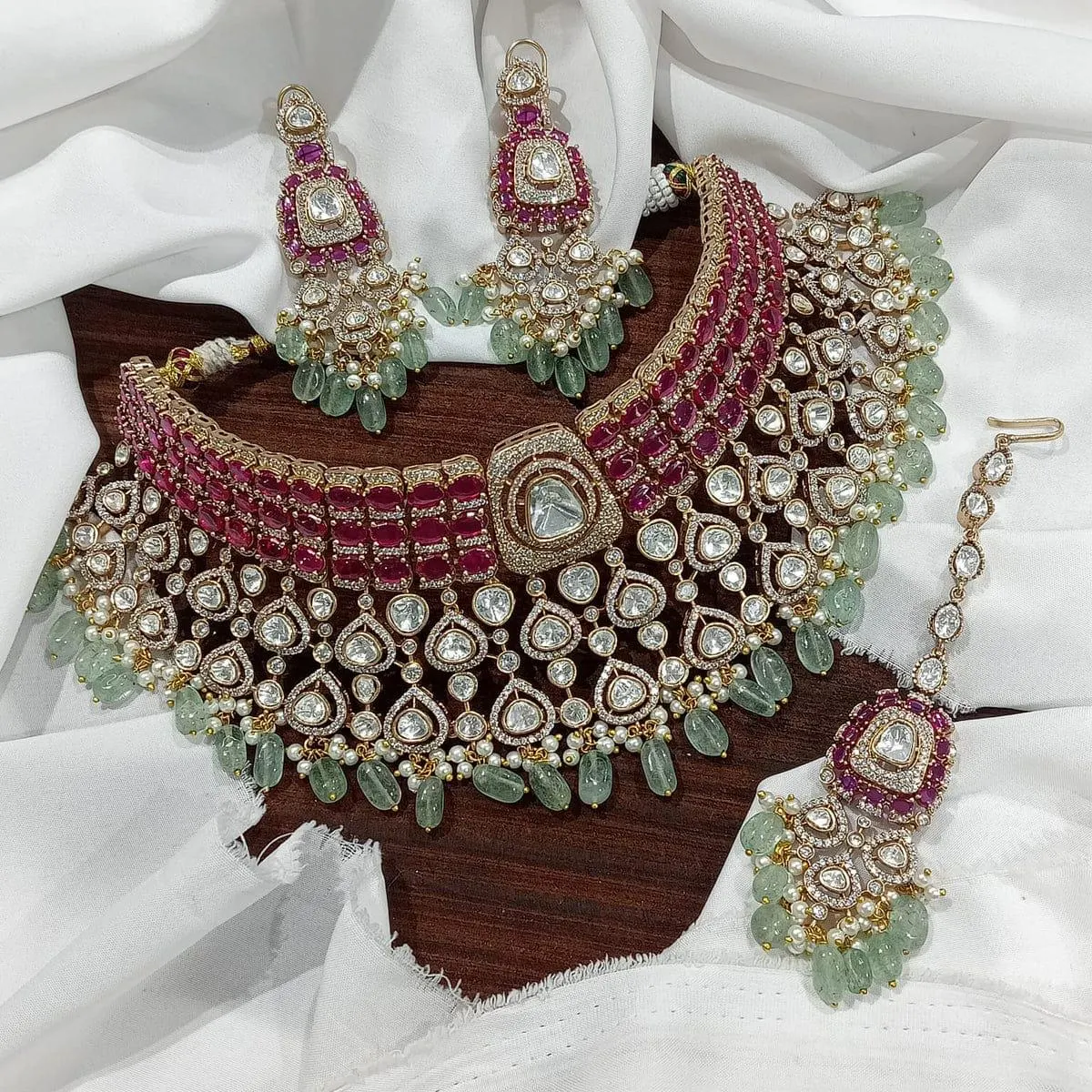
Among the most popular options are Jhumka Earrings, which have remained a favorite choice for generations. Their distinctive shape and intricate craftsmanship make them suitable for weddings, festivals, and cultural celebrations.
Because of their versatility, jhumka earrings can complement a wide variety of traditional outfits while maintaining a timeless appeal.
Balancing Jewelry with Clothing
One of the most important styling principles is maintaining balance between jewelry and clothing.
Highly embroidered outfits often pair best with carefully selected accessories that enhance rather than compete with the garment. If an outfit features detailed embellishments, simpler jewelry may create a more harmonious appearance.
Conversely, understated clothing can benefit from statement jewelry pieces that provide visual interest and sophistication.
The goal is to create a balanced look where every element works together to support the overall style.
Color Coordination
Color plays a major role in jewelry selection.
Gold-toned jewelry often complements warm colors such as red, maroon, orange, and mustard. Silver-toned pieces may pair beautifully with cooler shades including blue, grey, and pastel tones.
Many traditional celebrations involve vibrant attire, making coordinated jewelry choices especially important for achieving a polished appearance.
The Role of Headpieces in Traditional Styling
Traditional headpieces continue to be an important component of celebration attire, particularly for weddings and engagement ceremonies.
One of the most recognized pieces is the Maang Tikka, which is worn along the center parting of the hair. This accessory adds elegance and symmetry while highlighting traditional beauty standards.
The maang tikka is frequently chosen by brides and wedding guests who wish to incorporate a classic cultural element into their styling. Its ability to enhance both simple and elaborate looks contributes to its enduring popularity.
When paired thoughtfully with earrings and other accessories, a maang tikka can help create a cohesive and sophisticated appearance.
See also: The Future of Intelligent Business Systems
Prioritizing Comfort During Long Celebrations
Traditional celebrations often last several hours and may involve dancing, socializing, and participating in various ceremonies.
For this reason, comfort should remain an important consideration when choosing jewelry. Heavy accessories may appear impressive initially but can become uncomfortable during extended wear.
Selecting well-crafted pieces that offer both beauty and practicality helps ensure an enjoyable experience throughout the event.
Comfortable jewelry allows individuals to focus on celebrating rather than constantly adjusting their accessories.
Quality and Craftsmanship Matter
High-quality jewelry often provides better comfort, durability, and overall appearance. Skilled craftsmanship ensures that pieces maintain their beauty while remaining secure during wear.
Consumers increasingly seek jewelry collections that combine traditional artistry with modern quality standards. Investing in well-made pieces often results in greater long-term satisfaction.
Incorporating Modern Trends While Respecting Tradition
Contemporary fashion has introduced new ways to style traditional jewelry. Many people now combine classic accessories with modern clothing choices to create distinctive looks.
This blending of traditional and contemporary elements allows individuals to express personal style while maintaining a connection to cultural heritage.
Fashion trends may change over time, but traditional jewelry continues to remain relevant because of its adaptability and timeless appeal.
The ability to reinterpret classic designs ensures that traditional accessories continue to attract new generations of jewelry enthusiasts.
Finding Jewelry That Reflects Personal Style
While cultural traditions provide valuable guidance, personal preference should also influence jewelry selection.
Every individual has unique tastes, and the best jewelry choices are those that create confidence and comfort. Whether someone prefers elaborate statement pieces or refined minimalist designs, there are traditional options available to suit every style.
Collections offered by Jida Jewels reflect this balance between cultural heritage and contemporary fashion. Their designs draw inspiration from traditional South Asian jewelry while appealing to modern preferences.
For those exploring jewelry options for weddings, festive occasions, and traditional celebrations, offers a variety of styles inspired by timeless craftsmanship and cultural elegance.
Conclusion
Choosing jewelry for traditional celebrations involves more than simply selecting attractive accessories. It requires consideration of cultural traditions, event formality, outfit coordination, comfort, and personal style.
From elegant Jhumka Earrings to timeless accessories such as the Maang Tikka, traditional jewelry continues to enhance celebrations while preserving cultural heritage. By selecting pieces thoughtfully, individuals can create memorable looks that honor tradition while expressing their unique sense of style.