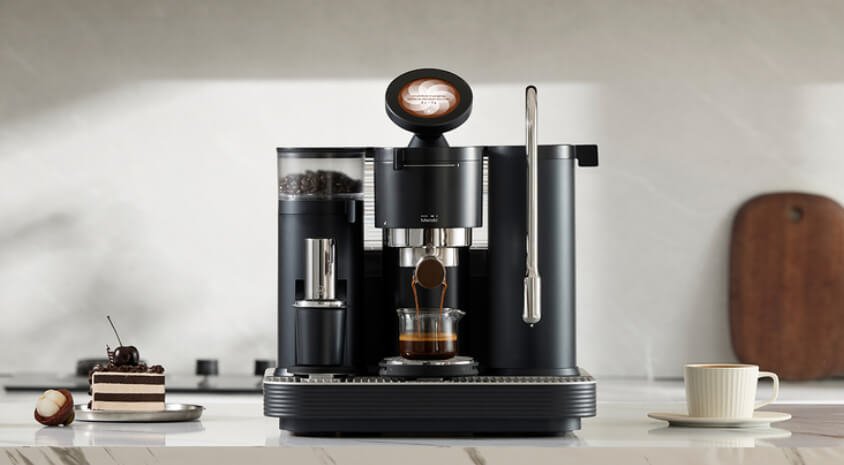

Most mornings start the same way. You stumble into the kitchen, half awake, and reach for coffee before your brain has properly switched on. For years, that ritual meant a compromise: either a quick pod or filter coffee that was fine but forgettable, or a manual setup that could produce a wonderful cup on a good day and a bitter, uneven one on a rushed day. An all-in-one espresso system promises to close that gap, and the interesting question is not whether it looks impressive on a countertop. It is whether it genuinely changes the coffee you drink every day, and the effort it takes to get there.
The short answer is that it changes the morning in small, practical ways that add up. Instead of moving between separate devices, weighing beans, adjusting a standalone grinder, and then guessing at temperature and timing, you work through one connected process. That matters most when you are tired, short of time, or still learning. A system that keeps the variables steady does not remove skill from coffee making. It removes the kind of friction that makes people abandon home espresso altogether.
One Machine, Fewer Decisions Before Breakfast
A traditional home espresso corner can feel like a small workshop. There is a grinder to dial in, a machine to warm up, a scale to place, a tamper to reach for, and a milk pitcher to rinse. Each piece does its job, but each one also introduces a chance to get something slightly wrong. Grind a little too fine and the shot chokes. Dose a little too much and the cup turns harsh. Forget to warm the cup and the espresso cools too quickly.
An integrated system brings those steps into one workflow. The grinder, brewing unit, and scales work from the same settings, so a change in one place does not quietly contradict another. That does not mean you stop thinking about coffee. It means the thinking shifts from troubleshooting to tasting. You notice whether a bean tastes sweeter at a slightly coarser grind, rather than wondering whether the grinder and the machine were even speaking the same language.
What Changes in the Cup Itself
Consistency From Day to Day
The biggest change most people notice is not a dramatic leap in flavour on day one. It is the absence of wild swings from one morning to the next. When grind size, dose, water temperature, and extraction are held steady, you can finally tell what a particular bean actually tastes like. That is useful because coffee beans differ more than many drinkers realise. A bright Ethiopian bean and a chocolatey Brazilian bean should not taste like the same generic espresso, and with stable brewing they do not.
The Bean Side of the Morning
Coffee quality starts long before water meets grounds. Freshness, roast level, and grind size all shape the result, and an all-in-one system can help you pay attention to them without turning breakfast into a science lesson. When the machine knows something about the beans you are using, it can guide the grind and dose rather than leaving you to guess from a bag label.
This is where Meraki CoffeeSense fits into the daily routine. Instead of treating every bag as identical, the system can identify the beans and apply settings suited to them, so a light roast is not brewed like a dark roast by default. You still have control, and you can still experiment, but the baseline is sensible rather than random. For someone who buys beans from different roasters, that flexibility matters. It means trying a new bag feels like an adventure, not a reset.
Cleanup, Counter Space, and Real Life
A Smaller Footprint, Literally and Mentally
A separate grinder, machine, scale, and accessories take up counter space and visual attention. In a small kitchen, that can be the difference between a setup you use daily and one you push into a corner. An integrated machine takes up less room, and just as importantly, it takes up less mental room. There are fewer parts to clean, fewer cables to manage, and fewer surfaces collecting stray grounds.
Who Benefits Most From Going All-in-One
An all-in-one system is not the right answer for every coffee lover. If you enjoy the hands-on process of manual brewing, love experimenting with separate grinders and machines, and have the time to tinker, a modular setup may suit you better. There is real pleasure in that craft, and no integrated machine should pretend otherwise.
The people who benefit most are different. They are the ones who want excellent coffee at home without turning every morning into a project. They may be new to espresso, returning after a frustrating experience with a fiddly setup, or simply busy. They may share a kitchen with a partner who wants a good flat white without learning a whole new skill. For them, the value is not in having fewer choices. It is in having the right choices, presented at the right moment, with the technical details handled in the background.
The Morning, Reimagined
So what does an all-in-one system actually change? It changes the odds. Instead of hoping for a good cup, you start with a reliable one. Instead of spending your first coffee of the day fixing the second, you spend it drinking the first. Instead of dreading a new bag of beans, you look forward to it.
If you are considering the switch, the best test is simple. Think about your actual mornings, not your ideal ones. How much time do you really have? How much patience do you really have for dialling in? How often do you want to experiment, and how often do you just want a great cup? An all-in-one system earns its place when the answers point toward consistency, simplicity, and flavour you can count on.
For many coffee lovers, that is exactly what the brand behind this approach is built around. You can learn more about the company and its philosophy by visiting meraki and exploring how an integrated system is meant to fit into everyday life. The machine itself is only part of the story. The real change is the morning it makes possible: calmer, simpler, and reliably delicious.