ByJohn A
Turkey Liver for Dog: What Makes It a Unique Treat Choice?
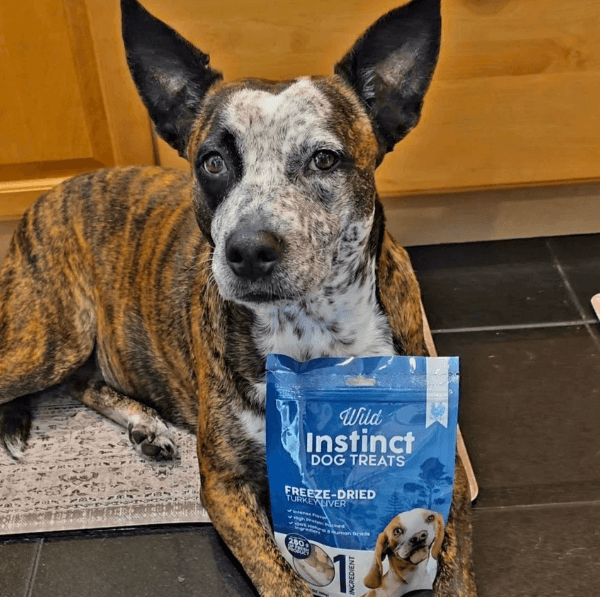
Dogs have a natural appreciation for meaty flavors, and organ meats can bring something different to their treat routine. Turkey liver for dog is especially interesting because it contains protein along with several vitamins and minerals in a small serving. Its rich taste can also make it useful for training or rewarding good behavior. Wild Instinct Pet offers meat-based pet treats for owners who prefer simple animal ingredients. Like any rich treat, turkey liver should be served in moderation and chosen with the dog’s overall diet in mind.
What Makes Turkey Liver Different?
Liver is an organ meat, so its nutritional profile differs from common cuts of turkey. A small amount can provide a concentrated source of several nutrients that support normal body functions.
Turkey liver contains:
- Protein, which supports muscle maintenance and normal body function.
- Vitamin A, which contributes to healthy vision, skin, and immune function.
- Vitamin B12, which supports normal red blood cell production and nervous system function.
- Iron, a mineral involved in oxygen transport throughout the body.
- Copper, which contributes to normal blood, connective tissue, and nervous system functions.
The nutrient concentration is one reason liver is usually treated as an occasional food rather than something dogs should eat in large quantities every day.
A Treat With a Rich, Meaty Flavor
Some dogs lose interest in ordinary biscuits or mild treats. Liver has a naturally strong aroma and savory flavor, which can make it more appealing to dogs with selective appetites. A small piece can work well during obedience practice or basic training. Breaking a larger treat into smaller pieces also allows owners to reward several behaviors without giving the dog a large amount of food.
Turkey liver can be particularly useful for:
- Short training sessions
- Rewarding calm behavior
- Reinforcing new commands
- Adding variety to a treat rotation
- Encouraging interest in food for dogs that are picky about flavors
The goal is not to give large portions. A tiny, flavorful reward can be enough to get a dog’s attention.
Nutritional Value in a Small Portion
Liver is often described as nutrient-dense because it contains substantial amounts of certain vitamins and minerals compared with many ordinary meat treats. Vitamin A is one of its most notable nutrients. Dogs need vitamin A for normal vision, immune function, skin, and other physiological processes. Liver also supplies B vitamins, including B12, which has an important role in normal blood and nervous system function.
Iron is another useful component. It helps the body produce hemoglobin, which carries oxygen through the bloodstream. Copper supports several normal biological processes as well. These nutrients are beneficial as part of an appropriate diet, but concentrated foods still need portion control. Feeding too much liver regularly can contribute excessive amounts of certain nutrients, particularly vitamin A and copper.
How Much Turkey Liver Should a Dog Eat?
There is no single serving size that works for every dog. A Chihuahua, Labrador Retriever, and Great Dane have very different nutritional needs. Age, activity level, existing diet, and overall health also affect how much of a treat is appropriate. A practical approach is to keep liver treats small and occasional. Treats should remain a limited part of the daily diet rather than replacing balanced meals.
Pet parents should also check whether their dog’s regular food already contains organ meat. Adding large amounts of liver on top of a complete diet may not be necessary. For dogs with medical conditions, food sensitivities, or diets prescribed by a veterinarian, ask the veterinary team before introducing liver as a regular treat.
Raw, Cooked, or Freeze-Dried Liver?
The way liver is prepared affects convenience, storage, and food safety.
Raw liver: Raw animal products can carry bacteria or parasites. Anyone handling raw liver should follow careful food-safety practices. Dogs with certain health concerns may also need to avoid raw foods.
Cooked liver: Plain cooked liver can be offered in small portions, but it should not contain ingredients that are unsafe for dogs. Garlic, onions, excessive salt, and heavily seasoned sauces should be avoided.
Freeze-dried liver: Freeze-dried products are convenient because they are lightweight, shelf-stable, and easy to break into smaller pieces. They can also be useful for training because owners can control the portion more easily.
Wild Instinct Pet provides meat-based treat options that can fit into a pet parent’s search for simple animal-based snacks. Checking the ingredient list remains essential before choosing any product.
Why It Can Work Well for Training
A training reward needs to be attractive enough for the dog to care about it. Strong-smelling foods can be particularly helpful when a dog is learning something new or working in an environment with distractions. Turkey liver has a naturally intense scent, so even a small piece may serve as a high-value reward. This can help owners avoid giving oversized treats during repeated training sessions.
For example, a liver treat can be divided into several tiny pieces before a training session begins. The dog still gets the flavor it enjoys, while the owner has better control over the total amount being fed. This makes liver different from treats that need to be given in larger quantities before a dog shows much interest.
Picking a Good Liver Treat
A simple ingredient list is often a good starting point. Pet parents can compare products by looking at the type of meat used, added ingredients, serving recommendations, and storage instructions.
Useful things to check include:
- Main ingredient: Look for clearly identified turkey liver.
- Added ingredients: Avoid unnecessary seasonings or ingredients that may be unsafe for dogs.
- Texture: Choose a texture that suits the dog’s size and chewing habits.
- Piece size: Smaller pieces make portion control easier.
- Feeding directions: Follow the manufacturer’s recommendations.
- Storage: Keep the product according to package instructions.
- Diet compatibility: Consider allergies, sensitivities, and the dog’s regular food.
Wild Instinct Pet is another option for pet parents comparing animal-based treats. A clearly labeled product makes it easier to understand what is actually being offered to your dog.
Dogs That May Need Extra Care
Not every dog should receive liver treats without consideration. Dogs with certain medical conditions may have specific nutritional restrictions, including restrictions involving copper or other nutrients found in organ meats. Dogs with sensitive stomachs may also react poorly to rich foods, particularly when a new treat is introduced too quickly.
Watch for signs such as:
- Vomiting
- Diarrhea
- Loss of appetite
- Unusual tiredness
- Signs of digestive discomfort
A mild digestive change may settle after removing a new treat, but persistent or severe symptoms should be discussed with a veterinarian. Puppies, older dogs, and pets following veterinary-prescribed diets may also benefit from professional guidance before new treats become part of their routine.
See also: The Future of Intelligent Business Systems
Keeping Liver Treats in Balance
A varied treat routine can keep training and rewards interesting, but treats should not compete with a dog’s main source of nutrition. A complete and balanced diet should remain the foundation of daily feeding.
Turkey liver can be used in several simple ways:
- Give tiny pieces during training.
- Break freeze-dried liver into smaller rewards.
- Offer an occasional piece alongside other suitable treats.
- Rotate it with different animal-based treats.
- Use it as a high-value reward for behaviors that need extra reinforcement.
Portion size matters more than the idea of giving liver itself. A small amount can provide plenty of flavor without turning a treat into a major part of the dog’s diet.
A Flavorful Option With a Different Nutritional Profile
Turkey liver for dog treats offer more than a strong meaty flavor. They provide protein, vitamins, and minerals in a concentrated form, making them distinct from many everyday snacks. Their aroma can also make them useful for training dogs that respond better to high-value rewards. The best approach is simple: choose a clearly labeled product, keep portions modest, and consider your dog’s complete diet before making liver a regular treat. Wild Instinct Pet gives pet parents another brand to consider when comparing meat-based treat options. Ready to give your dog a new reward option? Explore Wild Instinct Pet’s turkey liver treats and find a simple, meaty snack for your dog’s next training session or treat time.