ByJohn A
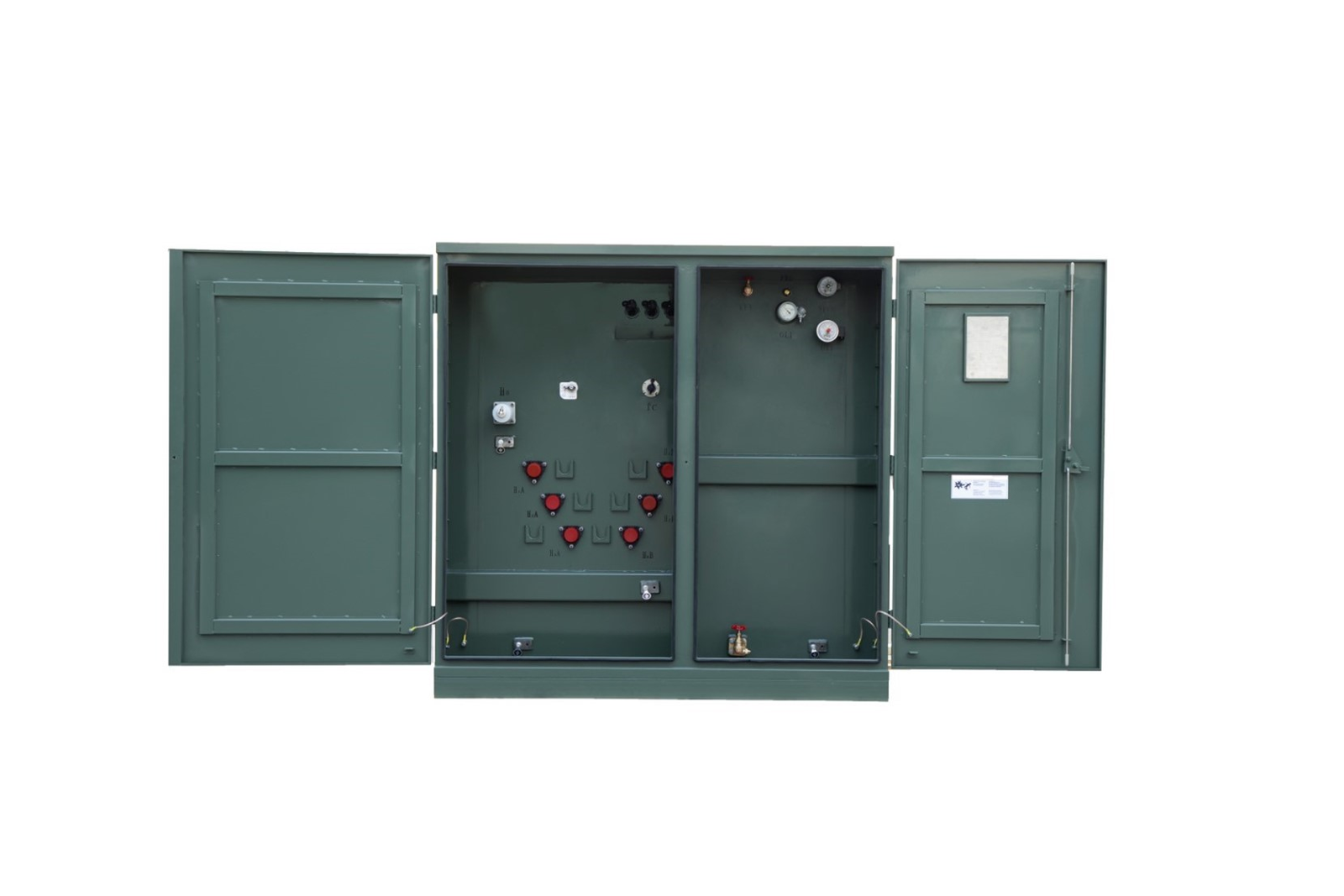
Grounding Transformer Ensuring Safe and Stable Power System Operation
Modern electrical networks require advanced solutions that improve safety, reliability, and overall system performance. As power systems become more complex due to increasing energy demands, sensitive equipment, and evolving grid requirements, maintaining proper grounding has become a critical aspect of electrical design. A grounding transformer provides an effective solution by creating a controlled connection between an electrical system and the ground, helping improve fault management and maintain stable power system operation.
Grounding transformers are especially valuable in systems where a neutral connection is unavailable or where additional grounding support is required. By providing a reliable grounding path, these transformers help protect electrical equipment, improve system stability, and enhance safety during abnormal operating conditions.
A properly designed grounding transformer is not only a protective component but also an important part of a dependable electrical infrastructure strategy.
Understanding the Purpose of a Grounding Transformer
A grounding transformer is a specialized transformer used to establish a neutral point in an electrical network. This neutral connection allows fault currents to flow safely to the ground, enabling protective devices to detect and isolate electrical problems effectively.
In many three-phase electrical systems, grounding transformers are installed when there is no direct connection between the system neutral and the earth. They provide a controlled path for zero-sequence current during ground faults.
The main purposes of a grounding transformer include:
- Providing system grounding
- Limiting fault current levels
- Improving voltage stability
- Supporting protective relay operation
- Reducing electrical hazards
- Protecting connected equipment
By managing fault conditions effectively, grounding transformers contribute to safer and more reliable power networks.
See also: How Fire and Life Safety Services Help Protect People and Property
The Importance of Grounding in Electrical Systems
Grounding is a fundamental requirement for safe electrical operation. Without proper grounding, electrical faults can create dangerous conditions that may damage equipment, interrupt operations, or create safety risks for personnel.
A reliable grounding system helps:
- Control fault currents
- Maintain reference voltage levels
- Improve protection system performance
- Reduce equipment stress
- Support safer maintenance activities
Grounding transformers strengthen electrical networks by ensuring that fault currents have a defined path during abnormal conditions.
How Grounding Transformers Improve Power System Stability
Electrical networks must remain stable even when unexpected faults occur. Grounding transformers support system stability by controlling how fault currents behave during ground faults.
When a fault occurs, the grounding transformer allows protective systems to recognize the issue and respond appropriately. This reduces the possibility of uncontrolled voltage conditions and helps maintain the integrity of the electrical network.
The benefits of improved stability include:
- Reduced risk of system disturbances
- Better fault response
- Improved equipment protection
- More predictable electrical performance
Types of Grounding Transformers
Different electrical applications require different grounding approaches. Grounding transformers are generally designed according to system requirements and fault management needs.
Zig-Zag Grounding Transformers
Zig-zag grounding transformers are commonly used to create a neutral point in three-phase systems.
Their design allows zero-sequence currents to flow during ground faults while maintaining balanced operation under normal conditions.
Advantages include:
- Effective grounding performance
- Compact design
- Suitable fault current management
- Reliable system protection
Delta-Star Grounding Transformers
Delta-star configurations provide another method for establishing system grounding.
These transformers create a neutral point on the star-connected side while supporting effective fault current management.
They are often considered where specific voltage and grounding requirements must be achieved.
Resistance Grounded Transformer Systems
Some grounding transformer applications include resistance grounding methods to limit fault current.
By controlling fault current magnitude, these systems help reduce electrical stress on equipment and improve protection coordination.
Applications of Grounding Transformers
Grounding transformers are used across various industries and electrical systems where safety and reliability are essential.
Utility Power Networks
Electrical utilities rely on grounding transformers to improve the stability and protection of distribution networks.
They help manage fault conditions while supporting reliable electricity delivery to customers.
Industrial Facilities
Industrial plants often operate large electrical systems with heavy machinery, automation equipment, and sensitive control systems.
Grounding transformers help protect these installations by improving fault detection and reducing electrical disturbances.
Renewable Energy Systems
Modern renewable energy installations require effective grounding solutions to maintain safe and stable operation.
Grounding transformers support grid connection requirements by providing controlled grounding paths and improving system protection.
Commercial Infrastructure
Large commercial facilities depend on reliable electrical systems for lighting, communication equipment, climate control, and essential operations.
Grounding transformers contribute to safer electrical distribution and improved power quality.
Benefits of Using Grounding Transformers
Installing a grounding transformer provides several advantages for electrical system performance and safety.
Enhanced Fault Protection
One of the most important benefits is improved fault management.
Grounding transformers provide a path for fault currents, allowing protection devices to detect problems quickly and isolate affected sections.
This helps reduce equipment damage and operational interruptions.
Improved Voltage Control
Ground faults can create unwanted voltage conditions within electrical systems.
Grounding transformers help maintain more stable voltage relationships, reducing stress on connected equipment.
Increased Equipment Lifespan
Electrical faults can place significant stress on transformers, motors, control systems, and other components.
By managing fault conditions effectively, grounding transformers help reduce unnecessary equipment stress and support longer service life.
Improved Operational Safety
A properly grounded electrical system reduces risks associated with fault currents and abnormal voltage conditions.
This contributes to safer working environments for electrical operators and maintenance personnel.
Key Factors to Consider When Selecting a Grounding Transformer
Choosing the right grounding transformer requires careful evaluation of system requirements and operating conditions.
System Voltage Requirements
The transformer must be compatible with the electrical network voltage level.
Correct voltage selection ensures proper integration and reliable operation.
Fault Current Requirements
Understanding expected fault conditions is essential when selecting grounding equipment.
The transformer must be designed to manage anticipated fault current levels safely.
Continuous and Short-Time Ratings
Some grounding transformers operate continuously, while others are designed primarily for short-duration fault conditions.
Selecting the correct rating ensures the transformer performs effectively under expected operating scenarios.
Installation Environment
Environmental conditions influence transformer performance and durability.
Important factors include:
- Indoor or outdoor installation
- Temperature variations
- Moisture exposure
- Available space
- Accessibility for maintenance
Proper planning helps maximize reliability.
Maintenance Practices for Reliable Grounding Transformer Performance
Although grounding transformers are designed for durability, regular maintenance is important for long-term operation.
Visual Inspections
Routine inspections can identify early signs of potential problems, including:
- Physical damage
- Loose connections
- Corrosion
- Overheating indicators
- Insulation concerns
Early detection helps prevent larger electrical issues.
Electrical Testing
Periodic testing verifies transformer condition and confirms that grounding systems continue to perform correctly.
Testing may include checking insulation condition, connections, and system response.
Connection Verification
Grounding connections should be inspected regularly to ensure proper electrical continuity.
Reliable connections are essential for effective fault current management.
Role of Grounding Transformers in Modern Power Infrastructure
As electrical networks continue to evolve, grounding solutions are becoming increasingly important. Modern systems must support higher energy demands, advanced equipment, and improved safety expectations.
Grounding transformers contribute to future-ready electrical infrastructure by providing:
- Reliable fault management
- Improved network stability
- Better protection coordination
- Enhanced equipment safety
- Flexible grounding solutions
Their role becomes especially important as power systems integrate new technologies and more complex electrical loads.
Improving Electrical Reliability Through Proper Grounding
A strong grounding strategy is a key element of successful electrical system design. Grounding transformers work alongside protective devices, monitoring systems, and distribution equipment to create a safer and more reliable network.
Organizations can improve system performance by:
- Selecting suitable grounding equipment
- Conducting proper system studies
- Following installation guidelines
- Maintaining equipment regularly
- Monitoring electrical performance
These practices help ensure consistent operation and reduce the impact of unexpected electrical events.
Conclusion
A grounding transformer ensuring safe and stable power system operation is an essential component for modern electrical networks. By providing a controlled grounding path, these transformers improve fault management, enhance voltage stability, protect equipment, and support safer electrical operations.
From utility networks and industrial facilities to renewable energy systems and commercial applications, grounding transformers provide reliable solutions for maintaining electrical system integrity. Proper selection, installation, and maintenance ensure that these transformers continue delivering dependable performance while supporting the safety and efficiency of power infrastructure for years to come.